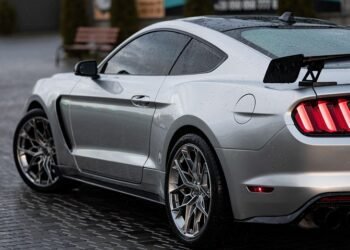
Car insurance is an essential part of vehicle ownership, but with so many options available, choosing the right coverage can be overwhelming. Full coverage car insurance, which typically includes liability, collision, and comprehensive coverage, might be the best option for many drivers. Here are five reasons why full coverage car insurance might be suitable for you.
1. Peace of Mind
One of the greatest benefits of full coverage car insurance is the peace of mind it offers. Accidents and unforeseen incidents can happen at any time, and having the right coverage means you’re financially protected. Whether you’re involved in a collision or your car is stolen, knowing you’re covered allows you to drive stress-free.
2. Financial Protection Against Major Expenses
Accidents can lead to significant repair costs, and medical bills can pile up quickly. Full coverage can shield you from the high out-of-pocket costs associated with accidents. In many cases, collision coverage pays for damages to your vehicle after an accident, while comprehensive coverage can protect against damages from non-collision incidents like theft, vandalism, or natural disasters.
3. Requirement by Lenders
If you have financed your vehicle through a loan or lease, your lender may require you to carry full coverage insurance. This is because lenders want to protect their investment in the vehicle. If it is damaged or totaled, they want to ensure that the car can be repaired or replaced. Therefore, obtaining full coverage can be crucial for keeping your financing intact.
4. Protection for High-Value Vehicles
For individuals with new or high-value vehicles, full coverage is a smart choice. Luxury cars, electric vehicles, and those with advanced technology can be costly to repair or replace. Full coverage ensures that if your car is damaged, you’ll receive a fair compensation amount to either repair or replace your vehicle, safeguarding your investment.
5. Enhanced Liability Protection
Full coverage car insurance not only protects your vehicle but also increases your liability coverage. If you’re deemed at fault in an accident, liability coverage helps cover damages to the other party’s vehicle or medical expenses. Full coverage often includes higher liability limits, providing a critical safety net in case of severe accidents.
Conclusion
In today’s unpredictable world, having full coverage car insurance offers a level of financial security and peace of mind that many drivers find invaluable. Whether you’re looking to protect your investment in a high-value vehicle, meet lender requirements, or simply have peace of mind while driving, full coverage insurance can be a wise decision.
Always consider your personal circumstances, driving habits, and financial situation when choosing your coverage. Speaking to an insurance agent can help you understand your needs and find the best coverage for your situation.
FAQs
Q1: What does full coverage car insurance include?
A1: Full coverage typically includes liability insurance, collision coverage, and comprehensive coverage. This combination protects you and your vehicle from a range of potential accidents and incidents.
Q2: Is full coverage insurance more expensive than basic coverage?
A2: Yes, full coverage insurance is generally more expensive than basic liability coverage due to the expanded range of protections it offers. However, the added cost can be worth it for the peace of mind and financial protection it provides.
Q3: Can I lower my premium on full coverage insurance?
A3: Yes, there are several ways to lower your premium, even with full coverage. You can raise your deductible, take advantage of discounts, ensure a good credit score, or bundle insurance policies.
Q4: Do I need full coverage if my car is older?
A4: It depends on the value of your car and your financial situation. For older cars, some drivers opt for basic liability coverage to save money. However, if your car is still worth a significant amount, full coverage may still be beneficial.
Q5: What should I do if my car is totaled?
A5: If your car is totaled, your insurance company will assess the value of your vehicle and offer you a settlement based on its market value. You’ll then have the option to use that money towards purchasing a new vehicle.