
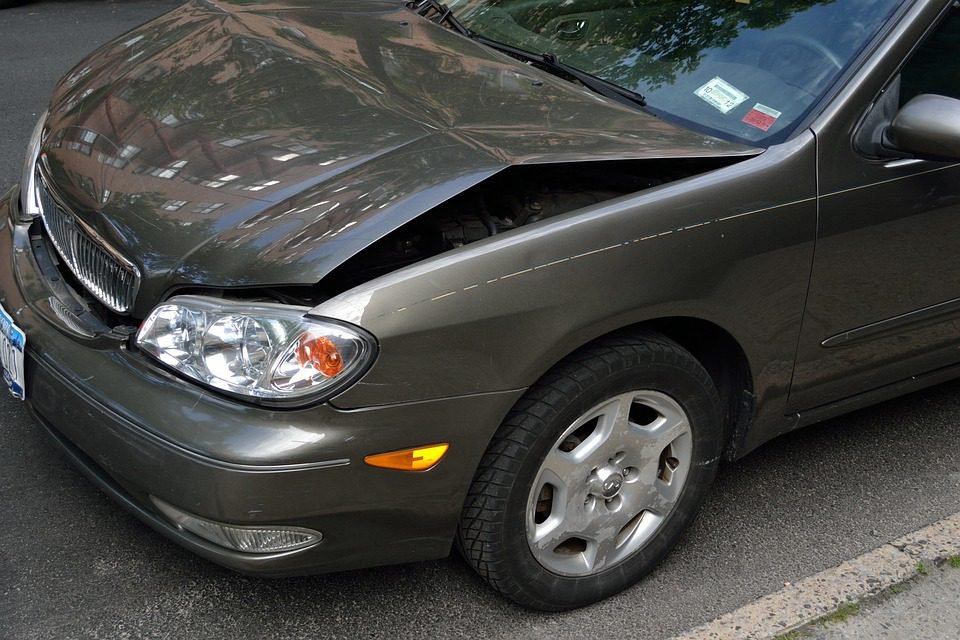
Car accidents can happen when we least expect them. Regardless of how careful a driver you are, accidents can occur due to various reasons, such as weather conditions, mechanical failures, or other drivers’ negligence. Understanding what to do immediately after a car accident can significantly impact the aftermath and your safety. This article will guide you through the essential steps to take after a car accident.
1. Ensure Safety
Your safety and the safety of others involved is the top priority. Here’s what you should do:
- Check for Injuries: If you or anyone else is injured, call 911 immediately.
- Move to Safety: If it’s safe to do so, move your vehicle to the side of the road to prevent further accidents.
- Turn on Hazard Lights: This alerts other drivers to the situation, helping to avoid additional accidents.
2. Call the Police
It’s essential to report the accident to the police, especially if there are injuries or significant damage. They will document the scene and create an official accident report, which can be vital for insurance claims.
3. Exchange Information
Exchange contact and insurance information with the other driver(s) involved. Here’s what to collect:
- Name and Contact Information: Always gather names, phone numbers, and addresses.
- Insurance Information: Obtain insurance company names and policy numbers.
- Vehicle Details: Note down the make, model, and license plate numbers.
4. Document the Scene
Gather as much information as possible about the accident scene for your records:
- Take Photos: Capture images of the vehicles involved, any damages, and the accident scene.
- Write Down Details: Note the time, date, weather conditions, and any other relevant information.
- Collect Witness Statements: If there are witnesses, ask for their contact information and any statements they might have.
5. Seek Medical Attention
Even if you don’t feel injured, it’s wise to see a doctor. Some injuries, such as whiplash or internal injuries, might not be immediately apparent. Additionally, medical records can be critical for any insurance claims or legal actions later.
6. Notify Your Insurance Company
Report the accident to your insurance provider as soon as possible. Provide them with the information you have gathered, including the police report number, and details of any injuries or damages. Remember, don’t admit fault; allow the insurance companies to investigate.
7. Keep a Record
Keep all documentation related to the accident organized. This may include:
- Police reports
- Medical records and bills
- Repair bills for your vehicle
- Any correspondence with insurance companies
Conclusion
Being involved in a car accident can be a traumatic experience, but knowing what to do immediately afterward can alleviate some stress. Prioritizing safety, gathering necessary information, seeking medical attention, and communicating with your insurance company are all essential steps in the aftermath of an accident. Remember, accidents can happen to anyone, so being prepared can help you navigate the situation more effectively.
FAQs
Q1: What if the other driver leaves the scene?
If the other driver flees, try to note their vehicle description, license plate number, and any other identifying details. Report the incident to the police immediately.
Q2: Should I admit fault at the scene?
Do not admit fault or apologize at the scene. This could be used against you later in insurance claims or legal proceedings.
Q3: Do I need a lawyer after a car accident?
While it’s not always necessary, consulting with a lawyer, especially if there are significant injuries or disputes about liability, can be beneficial. They can help you navigate the complexities of insurance claims and potential lawsuits.
Q4: What if I feel fine after the accident?
Even if you feel fine, it’s advisable to get checked by a medical professional. Some injuries may not present symptoms immediately.