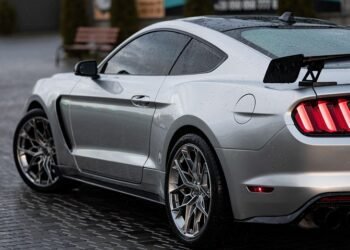
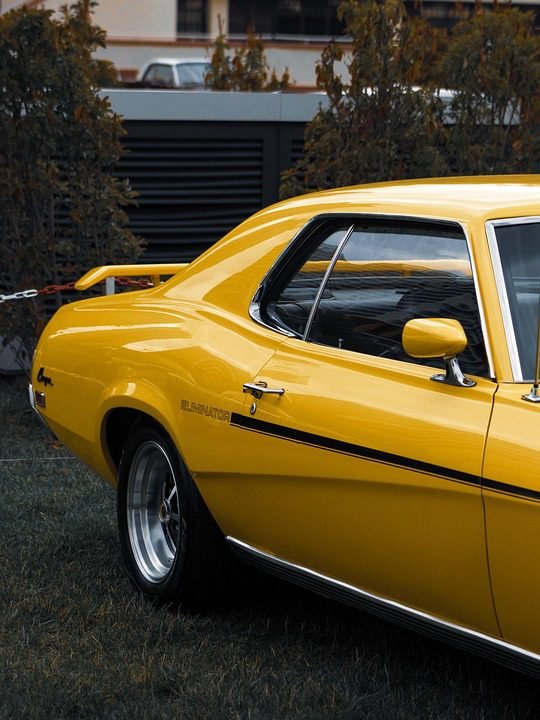
Classic cars are more than just vehicles; they are a passion, a history, and often a considerable financial investment. Whether you own a finely restored vintage Ford Mustang or a sleek 1967 Chevrolet Corvette, protecting your classic car with the right insurance policy is crucial. This article explores how to tailor your insurance policy to cover classic cars effectively in today’s modern landscape.
Understanding Classic Car Insurance
Classic car insurance is different from standard auto insurance. While standard policies provide basic coverage for everyday vehicles, classic car insurance focuses on the unique needs of car enthusiasts. This type of insurance often takes into account the car’s agreed value rather than its depreciated market value, ensuring that owners receive fair compensation should anything happen to their investment.
Why Standard Auto Insurance Isn’t Enough
Many classic car owners assume that standard auto insurance will suffice. However, there are several key differences that make this assumption risky:
- Valuation: Standard auto insurance policies often cover the market value of the vehicle, which can significantly undervalue a classic car. An agreed value policy ensures fair compensation based on the car’s appraised worth.
- Usage Restrictions: Classic cars are often driven infrequently, mainly for shows and weekend drives. Standard policies may not adequately cover the vehicle during limited use or for events.
- Restoration Coverage: If you restore a classic car, you’ll want coverage for parts and labor. Standard policies may not provide this level of detail in coverage.
Tailoring Your Classic Car Insurance Policy
To create an insurance policy that truly meets the needs of your classic car, consider the following steps:
1. Assess the Value
Before seeking coverage, determine the true value of your classic car. Get it appraised by a professional who specializes in classic vehicles. This figure will guide your decision when selecting an agreed value for your insurance policy.
2. Shop Around
Not all insurance providers understand the nuances of classic car insurance. Research companies that specialize in insuring classic vehicles. Look for reviews and get quotes from multiple providers to compare coverage options.
3. Understand Policy Options
Classic car insurance often includes various coverage options:
- Liability Coverage: This protects you financially if you are at fault in an accident.
- Comprehensive and Collision Coverage: These cover damages to your car due to accidents, theft, or natural disasters.
- Agreed Value Coverage: As mentioned, this ensures compensation based on a pre-determined value rather than market value.
- Roadside Assistance: Look for policies that include roadside support tailored for classic cars.
4. Consider Usage
Be clear about how often and under what conditions you will use your classic car. Some insurers offer mileage limits or restrict usage to specific events, which can lower premiums while providing adequate coverage.
5. Review Regularly
The classic car market can change rapidly. Regularly review your policy to ensure it meets your needs and reflects any changes in the vehicle’s value or condition.
Conclusion
Owning a classic car is a rewarding experience, but it comes with its own unique set of challenges, especially when it comes to insurance. Tailoring your insurance policy to reflect the specific needs of your classic car ensures that you’re protected, no matter what happens on the road. By understanding your options and choosing carefully, you can enjoy your vintage ride with peace of mind.
FAQs
1. What is considered a classic car?
A classic car is often defined as a vehicle that is at least 20 to 25 years old. However, definitions can vary based on insurance companies and car clubs.
2. Can I insure my classic car for its full restoration value?
Yes, you can insure your classic car for its full restoration value through agreed value coverage, which ensures you receive compensation based on a pre-determined value.
3. Is it necessary to have specialized classic car insurance?
While it’s not legally required, specialized classic car insurance offers better protection, tailored coverage options, and often lower premiums for classic car owners.
4. How can I lower my premium costs for classic car insurance?
Consider joining a classic car club, driving limited mileage, and securing your vehicle in a garage, as these factors can lead to discounts on your premiums.
5. Can I use my classic car as my primary vehicle?
Many insurance policies restrict the use of classic cars to pleasure driving only. If you use it as your primary vehicle, you may need to look for specific coverage options that accommodate this usage.